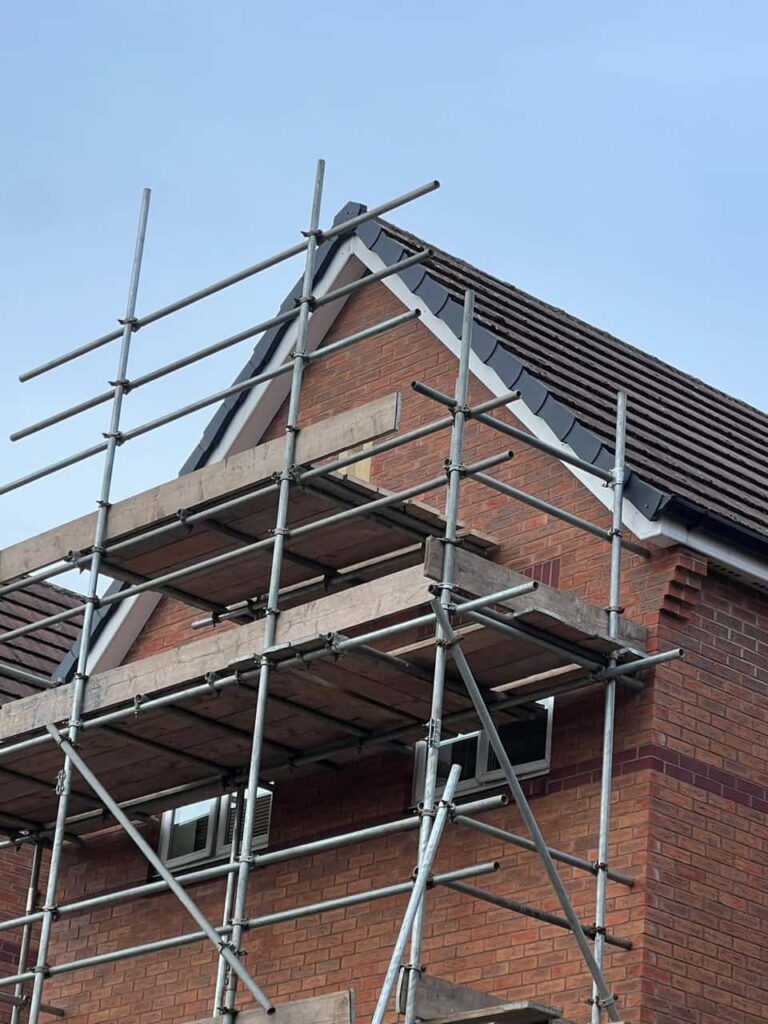
Fascias play a vital role in protecting a property’s roofline from moisture and weather-related damage. Positioned along the lower edge of the roof, fascias support the guttering system and help seal the roof structure from external elements. When fascias become damaged or deteriorated, they can allow water to enter vulnerable areas of the roof, leading to hidden structural problems over time.
For homeowners in Southsea, Hampshire, understanding the importance of fascias and maintaining them properly is essential for protecting the long-term condition of the roof and property.
What Are Fascias?
Fascias are the horizontal boards fixed along the edge of the roof where the guttering is attached.
Their role includes:
- Supporting guttering systems
- Protecting roof edges from moisture
- Sealing exposed roof timbers
- Helping maintain proper roof ventilation
Although they are often overlooked, fascias form an important barrier against weather exposure.
Damaged Fascias Allow Water Penetration
When fascias crack, rot or separate from the roofline, gaps can form that allow rainwater to enter the roof structure.
This may lead to moisture affecting:
- Roof timbers and rafters
- Loft insulation
- Roofing underlay
- Internal ceilings and walls
In Southsea, Hampshire, where coastal weather often brings heavy rain and strong winds, properly functioning fascias are especially important for preventing water ingress.
Overflowing Guttering Can Worsen Damage
Because guttering is attached directly to the fascia boards, damaged fascias often affect drainage performance.
Weak or deteriorating fascias may cause:
- Sagging guttering
- Water overflowing near roof edges
- Rainwater running behind the gutters
This increases the likelihood of moisture penetrating the roofline and surrounding structure.
Rotting Fascias Can Spread Structural Deterioration
Traditional timber fascias are particularly vulnerable to prolonged moisture exposure.
Once rot develops, it can spread to:
- Roof rafters
- Soffits
- Adjacent roofline components
Hidden rot within the roof structure may continue worsening if the source of moisture is not resolved quickly.
Coastal Weather Increases Roofline Exposure
Properties in Southsea regularly experience weather conditions that place additional strain on roofline materials.
These conditions include:
- Wind-driven rain
- Salt-laden coastal air
- Frequent moisture exposure
- Seasonal temperature fluctuations
Over time, constant exposure to these elements can accelerate fascia deterioration if maintenance is neglected.
Small Cracks and Gaps Can Lead to Bigger Problems
Even minor fascia damage can allow water to enter gradually over long periods.
Homeowners may notice signs such as:
- Peeling paint near roof edges
- Damp patches on upper walls
- Water staining around ceilings
- Visible sagging or cracking in the fascia boards
Early repairs help prevent more serious structural issues from developing.
Damaged Fascias Can Affect Roof Ventilation
Fascias and soffits also contribute to roof ventilation by helping maintain airflow into the roof space.
When damage occurs, poor ventilation may contribute to:
- Condensation build-up
- Damp loft conditions
- Timber deterioration
- Moisture retention within insulation
A healthy roofline supports both waterproofing and proper airflow.
Professional Repairs Help Protect the Entire Roof Structure
Repairing or replacing damaged fascias helps restore the roofline’s protective barrier and improve overall roof performance.
Professional fascia repairs help:
- Prevent water ingress
- Improve drainage efficiency
- Protect roof timbers from moisture damage
- Maintain the structural integrity of the roofline
Proper installation ensures long-term durability and weather resistance.
Routine Inspections Help Identify Problems Early
Because fascia damage often develops gradually, regular roofline inspections are extremely important.
Professional inspections can identify:
- Early signs of rot or cracking
- Loose guttering connections
- Water overflow issues
- Areas vulnerable to future moisture damage
Early maintenance helps reduce the likelihood of major roofline repairs later.
Why Professional Roofing Services Matter
Fascias are a critical part of maintaining a weather-resistant and structurally sound roofing system.
Southsea Roofing Repairs provides expert fascia repairs and roofing services in Southsea, Hampshire, helping homeowners maintain safe, durable and professionally protected rooflines. Every project is completed with careful attention to waterproofing, drainage and long-term roofing performance.
Conclusion
Damaged fascias can allow water to enter the roof structure, leading to moisture penetration, timber deterioration and long-term structural problems if left unresolved. Because fascias support both the guttering system and roofline protection, maintaining them properly is essential for preserving the overall condition of the property.
For homeowners in Southsea, Hampshire, professional fascia maintenance and timely repairs help protect against water damage and maintain reliable roof performance throughout the year. If your fascias are showing signs of wear, rot or water damage, Southsea Roofing Repairs can provide expert guidance and dependable roofing solutions tailored to your property’s needs.
Call us on: 023 8235 9773
Click here to find out more about Southsea Roofing Repairs
Click here to complete our contact form and see how we can help with your roofing needs.