Choosing the right roofing materials is one of the most important decisions when planning a new roof. The materials you select influence the appearance of your property, the level of weather protection it provides and how well the roof performs over time. With several options available, it is important to consider more than just the finished appearance.
For homeowners in Southsea, Hampshire, selecting suitable roofing materials also means considering the local environment, the design of the property and the practical requirements of the roof. Understanding the differences between common roofing options can help you make a more informed decision before work begins.
Consider the Design and Structure of Your Property
The style and construction of your property should be a starting point when choosing roofing materials. Traditional homes may suit natural slate or clay tiles, while other properties may be better suited to concrete tiles or modern roofing systems.
The roof’s pitch and supporting structure are equally important. Some materials are designed for particular roof slopes, while heavier options may require adequate structural support.
A roofing contractor can assess the existing roof and recommend materials that are appropriate for its design. This helps ensure that the new covering complements the property while meeting its practical requirements.
Understand the Differences Between Roofing Materials
Different roofing materials offer distinct characteristics, so it is worth understanding how each option performs.
- Concrete tiles: A popular option for pitched roofs, concrete tiles are available in various shapes and finishes. They provide a durable covering when correctly installed and maintained.
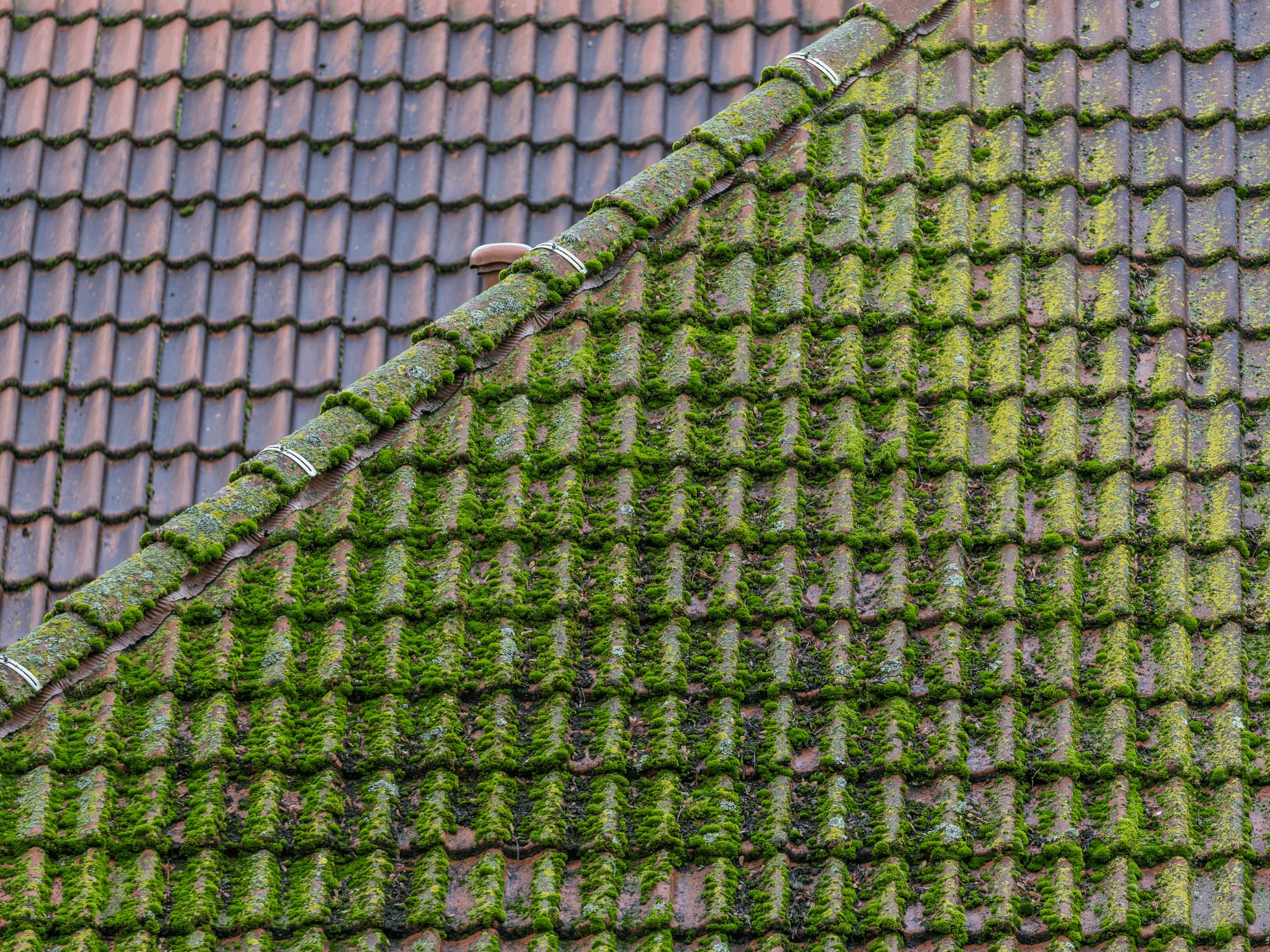
- Clay tiles: Known for their traditional appearance, clay tiles can complement many established properties. Their colour and finish can also contribute to the overall character of a roof.
- Natural slate: Slate offers a distinctive, natural finish and is valued for its durability. Its weight and installation requirements need to be considered during planning.
- Fibre cement slates: These provide an alternative to natural slate, offering a consistent appearance and a lighter construction in many applications.
- Roofing felt and other flat-roof systems: Flat roofs require materials specifically designed for low-pitch applications. The choice should account for drainage, exposure and the construction of the roof.
The most suitable option depends on the property’s requirements rather than simply choosing the material with the most attractive appearance.
Think About Weather Resistance in Southsea
Roofing materials need to withstand regular exposure to rain, wind, sunlight and changing temperatures. In Southsea, Hampshire, coastal conditions are also worth considering when planning a new roof.
Properties exposed to coastal air may experience greater exposure to salt carried by the wind. The suitability of roofing materials, fixings and associated components should therefore be considered as part of the overall specification.
Secure fixing methods and correctly installed roof details are essential for helping the covering remain stable during periods of strong wind. A professional roofer can recommend suitable materials and installation methods based on the property’s location and exposure.
Consider Roof Pitch and Water Drainage
The slope of a roof influences which materials can be used effectively. Tiles and slates generally have minimum pitch requirements, and installing them outside their suitable range can increase the risk of water penetration.
Flat and low-pitched roofs require a different approach. Their covering must provide effective weather protection while allowing rainwater to drain towards the appropriate outlets.
Before choosing materials, the roof’s pitch, layout and drainage arrangements should be assessed. Valleys, roof junctions, chimneys and edges also need suitable detailing to prevent water from entering vulnerable areas.
Do Not Overlook Underlay and Supporting Components
A new roof is more than its visible tiles or slates. Several supporting components work together to protect the property and help the roof perform properly.
Roofing underlay provides an additional layer of protection beneath the external covering, while battens provide support and fixing points for tiles or slates. Flashing, ridge components and ventilation arrangements also contribute to the performance of the completed roof.
Choosing suitable materials for these elements is just as important as selecting the main covering. Poor-quality or incorrectly installed supporting components can affect the performance of an otherwise well-chosen roofing material.
Balance Appearance with Long-Term Performance
A new roof can significantly change the appearance of a property, so the colour, texture and finish should complement the building.
However, visual appeal should not be the only consideration. Materials also need to be suitable for the roof structure, local exposure and expected maintenance requirements.
It is helpful to consider how the roofing material will look alongside the property’s brickwork, windows and other external features. A well-chosen roof should provide a consistent appearance while delivering dependable protection.
Why Professional Roofing Advice Matters
Selecting roofing materials can be complicated without a proper understanding of roof construction and installation requirements. A material that works well on one property may not be suitable for another because of differences in pitch, structure or exposure.
Southsea Roofing Repairs provides roofing services in Southsea, Hampshire, helping homeowners assess their roofing requirements and plan suitable new roof installations. Professional guidance can help you compare available options and ensure that the selected materials are appropriate for your property.
Conclusion
Choosing the right roofing materials involves considering the property’s design, roof structure, pitch, weather exposure and the performance of supporting components. Concrete tiles, clay tiles, natural slate and flat-roof systems all have different characteristics, making professional assessment important before installation.
If you are planning a new roof in Southsea, Hampshire, contact Southsea Roofing Repairs to discuss your requirements and arrange professional advice on the most suitable roofing solution for your property.
Call us on: 023 8235 9773
Click here to find out more about Southsea Roofing Repairs
Click here to complete our contact form and see how we can help with your roofing needs.